Vitamin D: Benefits and How to Ensure Adequate Intake
Health, Vitamin D, Nutrition
Vitamin D: What It Does in Your Body and How to Know If You Get Enough
Vitamin D is often called the “sunshine vitamin,” but its role goes far beyond helping you feel good on a bright day. Understanding Vitamin D benefits, where to find it, and how much you need can help you support stronger bones, better immunity, and overall health.
What Does Vitamin D Actually Do in the Body?
Vitamin D works more like a hormone than a typical vitamin. Once your body activates it, Vitamin D helps control hundreds of processes. The best-known Vitamin D benefit is its role in building and maintaining strong bones. Vitamin D helps your gut absorb calcium and phosphorus, the minerals that keep bones and teeth firm and resilient. Without enough Vitamin D, even a calcium-rich diet cannot do its job properly.
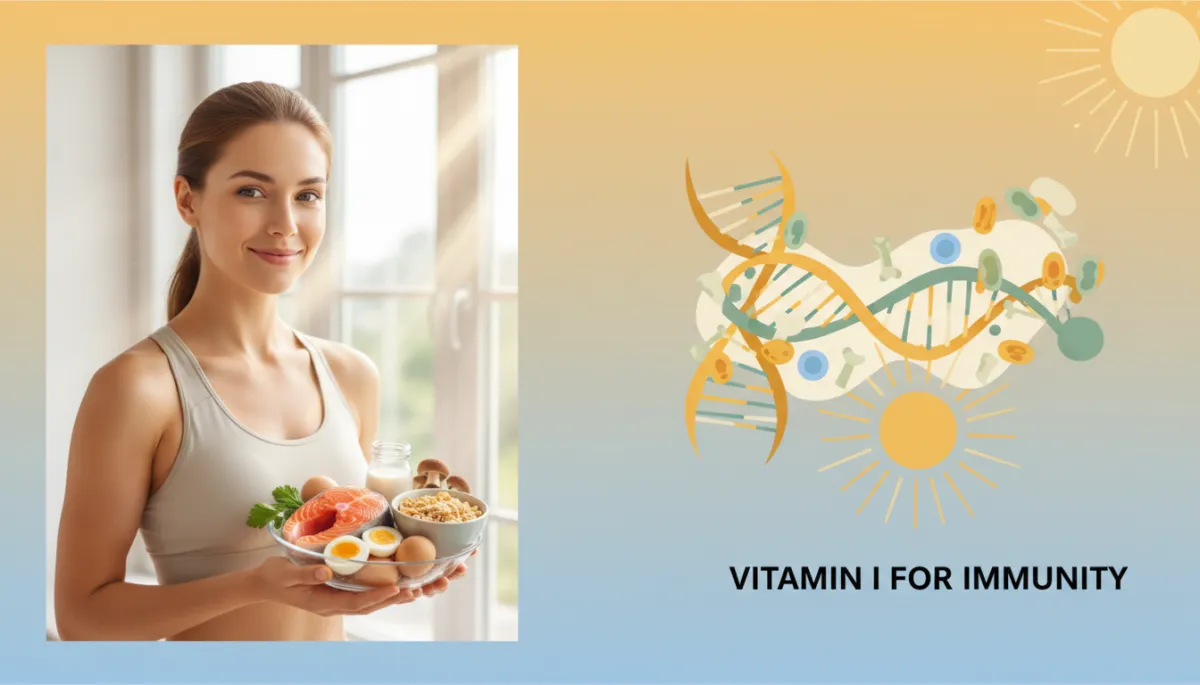
Another key role is Vitamin D for immunity. Immune cells have receptors for Vitamin D, meaning they “listen” to its signals. Adequate levels help your immune system respond more effectively to viruses and bacteria, while also reducing the chances of an overactive response that can lead to chronic inflammation. Research links healthy Vitamin D levels with lower risk of respiratory infections and better overall immune resilience, especially in people who were deficient to begin with.
Vitamin D also supports muscle function by helping muscles contract properly and may reduce the risk of falls in older adults. It influences mood and brain health, with low levels often found in people experiencing low mood or fatigue. While Vitamin D is not a cure-all, its wide-reaching effects make it a quiet foundation for many aspects of wellbeing.
Main Vitamin D Sources: Sun, Food, and Supplements
Your body can make Vitamin D when sunlight hits your skin, but modern lifestyles mean many of us spend far more time indoors. Understanding Vitamin D sources helps you combine sun, food, and supplements in a way that fits your life and location.
Sunlight: Midday sun on bare skin (arms, legs, or face) can trigger Vitamin D production in as little as 10–30 minutes, a few times per week, depending on your skin tone, age, and where you live. Darker skin, older age, sunscreen, and living far from the equator all reduce Vitamin D production from sun exposure.
Food: Natural food sources are limited but still important. Fatty fish (salmon, mackerel, sardines), egg yolks, and liver contain Vitamin D. Many everyday foods are fortified, including some milks, plant milks, breakfast cereals, and yogurts. Checking labels can help you spot these hidden Vitamin D benefits in your regular meals.
Supplements: When sun and food are not enough, Vitamin D supplements can fill the gap. They are usually available as Vitamin D3 (cholecalciferol), which is well absorbed and commonly recommended by health professionals.

Combining food, sunlight, and supplements can help maintain steady Vitamin D levels year-round.
Vitamin D Absorption: Why Some People Struggle to Get Enough
Even if you eat Vitamin D-rich foods or take a supplement, your body still needs to absorb and activate it. Because Vitamin D is fat-soluble, it is better absorbed when taken with a meal that contains some healthy fats, such as olive oil, avocado, nuts, or salmon. This is an easy way to improve Vitamin D absorption without changing your dosage.
Certain conditions can interfere with absorption, including celiac disease, inflammatory bowel disease, weight-loss surgery, or liver and kidney problems. Some medications, such as certain seizure or HIV drugs, may also affect how your body handles Vitamin D. If you have any of these, it is especially important to discuss your Vitamin D levels and Vitamin D dosage with your healthcare provider rather than guessing.
Signs of Vitamin D Deficiency and How to Check Your Levels
Mild Vitamin D deficiency can be surprisingly quiet. Symptoms are often vague and easy to blame on a busy life: tiredness, low mood, frequent colds, muscle weakness, or general aches. More severe deficiency can lead to bone pain, increased risk of fractures, and in children, problems with bone development.
Because these signs overlap with many other issues, the most reliable way to know if you are getting enough is a simple blood test ordered by your doctor or other qualified professional. This test measures 25(OH)D, the storage form of Vitamin D in your blood. It shows whether your current Vitamin D sources and lifestyle are meeting your body’s needs or if you need to adjust your intake or Vitamin D dosage.
💡 Pro Tip: If you rarely get midday sun, cover up, have darker skin, or live in a northern climate, ask your doctor about checking your Vitamin D level at least once.
How Much Vitamin D Do You Need Each Day?
Recommended Vitamin D dosage can vary by country and health organization, but many guidelines suggest around 600–800 IU (15–20 micrograms) per day for most healthy adults, with higher amounts sometimes recommended for older adults, people with obesity, or those with limited sun exposure. Some individuals need more to correct a deficiency, but this should be guided by blood tests and professional advice, as very high doses over long periods can be harmful.
To support healthy levels, think in layers: moderate safe sun exposure when possible, regular Vitamin D sources in your diet, and a supplement if your lifestyle, location, or test results indicate you need extra help. This balanced approach lets you enjoy Vitamin D benefits for bones, muscles, and immunity without overdoing it.
Putting It All Together
Vitamin D quietly supports your bones, muscles, and immune system every day. To know if you are getting enough, pay attention to your sun exposure, diet, and how you feel, but do not rely on symptoms alone. Consider your personal risk factors and talk with a healthcare provider about a blood test, especially if you live in a low-sun region, cover your skin for cultural or medical reasons, or have a condition that affects absorption.
With a bit of awareness and the right combination of Vitamin D sources, you can protect your long-term health and feel more confident that your body is getting what it needs from this essential “sunshine” nutrient.