
Understanding the Vagal Nerve and Its Health Benefits
Health, Nervous System, Vagal Nerve
The Vagal Nerve: What It Is And Why It Matters For Your Health
You may have heard about the Vagal Nerve in conversations about stress, gut health, or mental wellbeing. But what exactly is it, and why are so many experts talking about it? Understanding your vagus nerve function can help you take better control of your overall nervous system health and daily wellbeing.
What Is The Vagal Nerve?
The vagal nerve, more commonly called the vagus nerve, is the longest cranial nerve in your body. The word “vagus” comes from Latin, meaning “wandering,” and that is exactly what it does: it wanders from your brainstem down through your neck, chest, and abdomen, connecting with many major organs along the way, including your heart, lungs, and digestive system.
The vagus nerve is a key part of your parasympathetic nervous system—the “rest and digest” branch that counterbalances the “fight or flight” stress response. Where your sympathetic system gears you up for action, the vagus nerve helps calm things down again, slowing your heart rate, aiding digestion, and supporting recovery after stress. This is why the importance of vagus nerve function is being recognized in everything from cardiology to mental health care.
How Vagus Nerve Function Supports Your Body
To understand why the vagal nerve is so important, it helps to look at what it actually does. Think of it as a two-way communication highway between your brain and your body. Signals travel down from the brain to organs, but also up from the body back to the brain, constantly updating it on how things are going inside you.
Heart and breathing: The vagus nerve helps regulate heart rate and blood pressure, and influences your breathing pattern. A healthy vagus nerve tends to promote a steadier, calmer heartbeat.
Digestion: It stimulates digestive organs, supporting stomach acid production, gut movement, and the release of digestive enzymes. This is why stress, which can reduce vagal activity, often leads to bloating or indigestion.
Inflammation and immunity: The vagus nerve helps control inflammation levels in the body. Better vagus nerve function is associated with healthier immune responses and lower chronic inflammation.
Mood and mental health: Because it connects the gut and brain, the vagal nerve plays a role in mood regulation. Research links stronger vagal tone with better emotional resilience and lower levels of anxiety and depression.
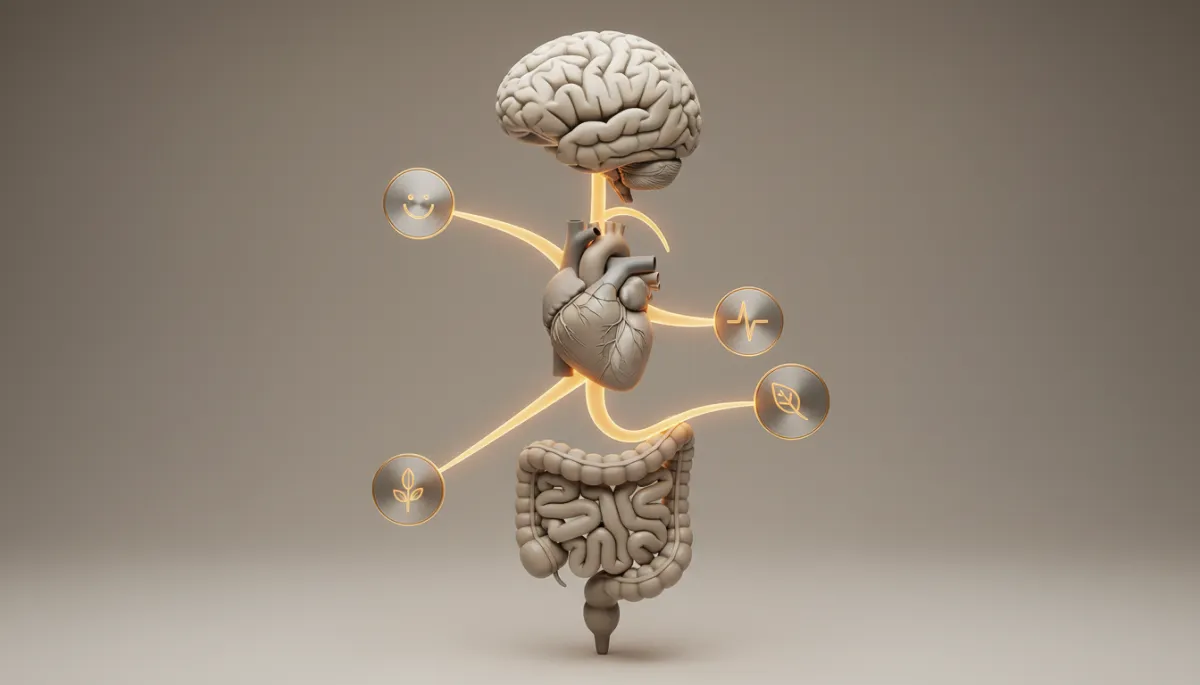
The vagus nerve coordinates signals between brain, heart, lungs, and gut every second.
Why The Vagal Nerve Is So Important For Nervous System Health
When people talk about nervous system health, they often focus on the brain alone. But the vagal nerve shows that your nervous system is a full-body network. If your vagus nerve is underactive, your body can get stuck in a low-level stress state—heart rate stays elevated, digestion slows, and your sleep and mood may suffer. Over time, this can contribute to issues like high blood pressure, chronic digestive problems, and persistent anxiety or burnout.
On the other hand, when your vagus nerve is functioning well, it helps you recover more quickly from stress. Your heart rate comes down faster after a challenge, your breathing deepens, and your digestive system returns to its normal rhythm. These are some of the core vagus nerve benefits that support long-term health and resilience.
📌 Key Takeaway: A healthy vagal nerve helps your body switch out of “survival mode” and back into balance, supporting both physical and emotional wellbeing.
What Is Vagal Nerve Stimulation?
Because of the central role of the vagus nerve, doctors have developed vagal nerve stimulation therapies. In medical settings, this often involves a small implanted device that sends gentle electrical pulses to the vagus nerve, usually in the neck. It is used for certain conditions such as difficult-to-treat epilepsy and depression, where boosting vagus nerve activity can improve symptoms for some patients.
There are also non-invasive devices that stimulate the vagus nerve through the skin, typically around the ear or neck. While these are still being studied, they reflect the growing recognition of the importance of vagus nerve activity for overall health. Always speak with a qualified healthcare professional before considering any medical vagal nerve stimulation device or treatment.
Supporting Vagus Nerve Benefits In Everyday Life
You do not need medical equipment to support your vagal nerve. Many simple lifestyle practices can gently encourage healthier vagus nerve function and better nervous system health. While these are not cures, they can be useful tools to add to your self-care routine:
Slow, deep breathing: Diaphragmatic breathing—where your belly rises as you inhale—can stimulate the vagus nerve and help lower heart rate. Aim for long, slow exhales.
Gentle movement: Activities like yoga, tai chi, and walking combine movement with breath and can enhance vagal tone over time.
Cold exposure: Brief cool showers or splashing your face with cold water may activate the vagus nerve in some people, supporting a calming response afterward.
Social connection and laughter: Positive social interaction, singing, humming, and laughing all engage muscles and pathways linked to the vagal nerve and can promote relaxation.
💡 Pro Tip: Choose one small practice—such as five minutes of slow breathing each evening—and be consistent. Regular repetition is more helpful for vagus nerve benefits than occasional intense efforts.
Bringing It All Together
The vagal nerve may be hidden from view, but its influence touches nearly every part of your life—from how quickly your heart calms after a shock, to how comfortably you digest your meals, to how resilient you feel in the face of daily stress. Paying attention to vagus nerve function is really about caring for your whole nervous system and creating the internal conditions for healing, rest, and emotional balance.
While research continues to uncover new vagus nerve benefits, you can already start supporting yours with simple, accessible habits. If you live with ongoing health issues—especially around mood, digestion, or heart health—consider discussing the importance of vagus nerve activity with your healthcare provider. Understanding this “wandering” nerve gives you one more powerful way to support your body’s natural capacity to restore balance.