Prebiotics vs Probiotics: Gut Health Essentials
Health, Gut Health, Digestive Wellness
Prebiotics, Probiotics, and Postbiotics: What’s the Difference and Why They Matter for Gut Health
Prebiotics, probiotics, and postbiotics are everywhere in the wellness world, but understanding how they differ can transform the way you care for your gut health and overall digestive wellness.
Understanding Your Microbiome: The Foundation of Digestive Wellness
Your microbiome is the community of trillions of microorganisms living mainly in your gut. These bacteria, yeasts, and other microbes help break down food, produce vitamins, support your immune system, and even influence mood and energy levels. When this ecosystem is balanced, you’re more likely to enjoy steady digestion, regular bowel movements, and fewer uncomfortable symptoms like bloating or gas. When it’s disrupted, issues such as indigestion, low energy, and weakened immunity can appear.
This is where Prebiotics, Probiotics, and Postbiotics come in. Think of them as three different but complementary tools for nurturing your microbiome and supporting long-term gut health.
What Are Probiotics? The “Good” Gut Bacteria
Probiotics are live, beneficial microorganisms that, when consumed in adequate amounts, help keep your gut environment balanced. They are often called “good” or “friendly” bacteria because they compete with harmful microbes, support digestion, and contribute to a healthy immune response. Common probiotic strains include Lactobacillus and Bifidobacterium.
You’ll find probiotics in fermented foods like yogurt with live cultures, kefir, kimchi, sauerkraut, miso, and tempeh, as well as in dietary supplements. For many individuals, adding probiotic-rich foods can gently support digestive wellness, especially after illness, travel, or a course of antibiotics that may disrupt the microbiome.
What Are Prebiotics? Food for Your Good Bacteria
If probiotics are the helpful residents of your gut, Prebiotics are their favorite food. Prebiotics are types of dietary fiber and plant compounds that your body cannot digest, but your gut bacteria can. As these fibers reach the colon, they are fermented by beneficial microbes, helping them grow stronger and more numerous.
Natural sources of prebiotics include onions, garlic, leeks, asparagus, bananas (especially slightly green ones), oats, barley, chicory root, and beans. By regularly eating a variety of fiber-rich plant foods, you naturally increase prebiotic intake and give your microbiome the nourishment it needs to thrive, supporting smoother digestion and more stable gut health over time.

Combining prebiotic fibers with probiotic foods helps beneficial gut bacteria flourish naturally.
What Are Postbiotics? The Helpful Byproducts
Postbiotics are the beneficial substances produced when probiotics feed on prebiotics. They are not live bacteria themselves, but the results of microbial activity in your gut. Postbiotics include short-chain fatty acids (like butyrate), peptides, enzymes, cell fragments, and other compounds that can have powerful effects on digestive wellness and overall health.
These postbiotic compounds help nourish the cells lining your intestines, support a healthy gut barrier, and may help regulate inflammation. Some emerging supplements now provide postbiotics directly, but you also naturally increase postbiotic production by consistently eating a diet rich in both prebiotics and probiotics.
Key Differences Between Prebiotics, Probiotics, and Postbiotics
Probiotics: Live beneficial microbes that support your microbiome and gut health directly.
Prebiotics: Non-digestible fibers and compounds that feed those beneficial microbes and help them multiply.
Postbiotics: Health-supporting byproducts created when probiotics break down prebiotics in your gut.
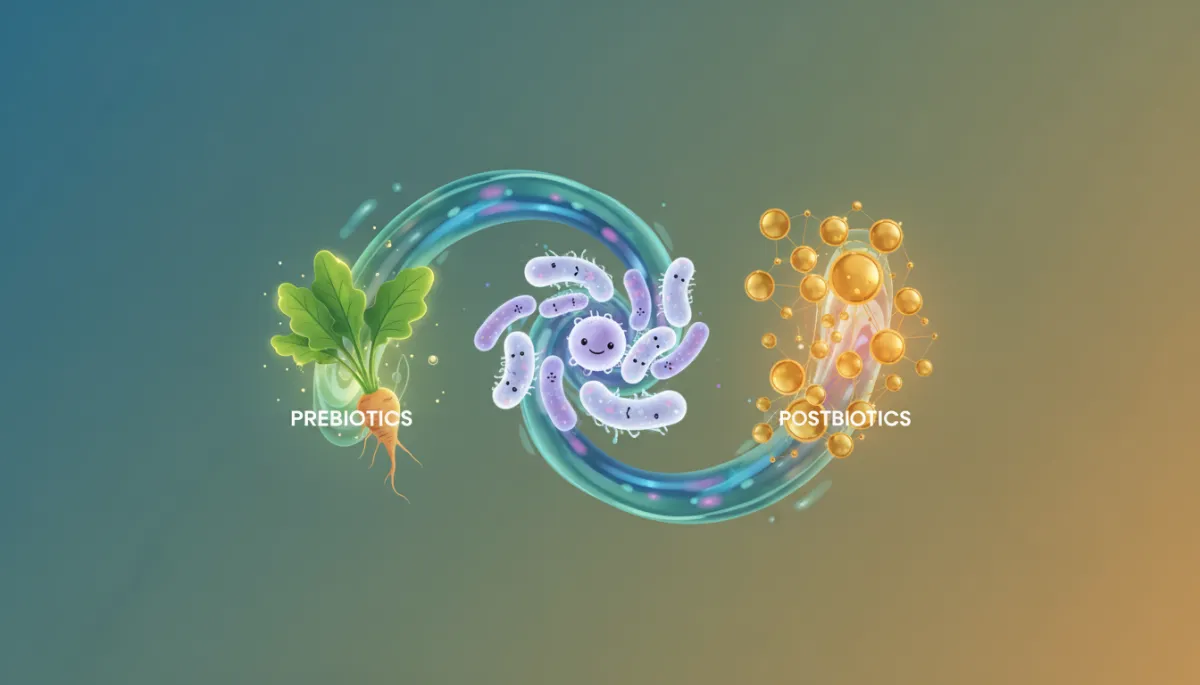
In simple terms, you can imagine a chain: prebiotics (fuel) feed probiotics (good bacteria), which then create postbiotics (beneficial compounds). All three play distinct but interconnected roles in maintaining a balanced microbiome and comfortable digestion.
Why These Three Are So Important for Everyday Gut Health
A well-nourished microbiome can influence far more than just your stomach. Research suggests that balanced gut bacteria and their postbiotic products may support immune function, help regulate inflammation, and even play a role in mood and mental clarity. For individuals dealing with occasional bloating, irregularity, or sensitivity to certain foods, focusing on prebiotics, probiotics, and postbiotics can be a gentle, holistic way to support digestive wellness.
Together, they help:
Maintain a diverse and resilient microbiome.
Support regular bowel movements and comfortable digestion.
Strengthen the gut barrier, which helps keep unwanted substances from entering the bloodstream.
Promote overall digestive wellness and may contribute to better energy and immune resilience.
Simple Ways to Support Your Microbiome Every Day
You don’t need a complicated routine to benefit from prebiotics, probiotics, and postbiotics. Start with small, consistent habits:
Include a serving of fermented food, such as yogurt or kefir, most days to naturally add probiotics.
Fill half your plate with vegetables, fruits, and whole grains to boost prebiotic fiber.
Drink enough water to help fiber move comfortably through your digestive system.
If you’re considering supplements, choose reputable brands and speak with a healthcare professional about what’s right for your individual needs.
Bringing It All Together for Better Digestive Wellness
Understanding the difference between Prebiotics, Probiotics, and Postbiotics puts you in control of your gut health. Probiotics add beneficial bacteria, prebiotics feed them, and postbiotics are the powerful compounds they create. When you support all three through food and lifestyle, you create a more stable, resilient microbiome that can positively influence digestion, immunity, and daily wellbeing.
By making mindful choices—adding more fiber-rich plants, enjoying fermented foods, staying hydrated, and seeking guidance when needed—you can nurture your gut from the inside out and build a strong foundation for lasting digestive wellness.