
Hormone Replacement Therapy: Benefits for All Genders
Health, Hormone Replacement Therapy
Hormone Replacement Therapy: Why It Matters for Both Women and Men
Hormone replacement therapy (HRT) is often talked about only in the context of menopause, but balanced hormones are essential for the long-term health and quality of life of both women and men. Understanding what HRT is, why it matters, and who it may benefit empowers you as an individual consumer to have informed, confident conversations with your healthcare provider.
What Is Hormone Replacement Therapy?
Hormone replacement therapy involves supplementing or balancing hormones that your body no longer produces in optimal amounts. For women, this often means estrogen and progesterone. For men, it is usually testosterone. In some cases, thyroid or other hormones are also addressed. HRT can be delivered through pills, patches, gels, injections, or tiny pellets placed under the skin, depending on your needs and your clinician’s recommendations.
Why Hormone Replacement Therapy Is Important for Women
As women approach perimenopause and menopause, estrogen and progesterone levels begin to decline. This transition is natural, but the symptoms can be intense and disruptive. Hot flashes, night sweats, mood swings, brain fog, vaginal dryness, low libido, and sleep problems can all be linked to hormonal changes. For some women, these symptoms last for years and significantly affect work, relationships, and overall well-being.
Hormone replacement therapy can help ease these symptoms by bringing hormone levels back into a more comfortable range. Beyond symptom relief, HRT may also play a role in long-term health. Estrogen, for example, supports bone density and can help reduce the risk of osteoporosis and fractures after menopause. It also influences cholesterol levels, blood vessels, and even skin elasticity and urogenital health. When thoughtfully prescribed and monitored, HRT can help women maintain vitality, protect their bones, and feel more like themselves again during midlife and beyond.
💡 Pro Tip: If you are experiencing bothersome menopausal symptoms, track them in a journal for a few weeks. Bringing clear notes to your appointment helps your clinician tailor hormone therapy to your specific concerns.
Why Hormone Replacement Therapy Matters for Men Too
Men also experience age-related hormonal changes, often referred to as “andropause” or low testosterone (low T). Testosterone levels tend to decline gradually after about age 30. For some men, this drop is subtle; for others, it leads to fatigue, reduced muscle mass, increased body fat, low sex drive, erectile difficulties, irritability, and a loss of motivation or mental sharpness. These symptoms are sometimes dismissed as “just getting older,” but they may be signs of a hormone imbalance that can be addressed.
Testosterone replacement therapy, when appropriate and medically supervised, can help restore energy, support lean muscle, improve mood, and enhance sexual function. Balanced hormones may also benefit heart health, blood sugar regulation, and bone density in men. Importantly, HRT for men is not about bodybuilding or extreme performance; it is about restoring physiologic levels to support overall health, confidence, and quality of life as the years go by.
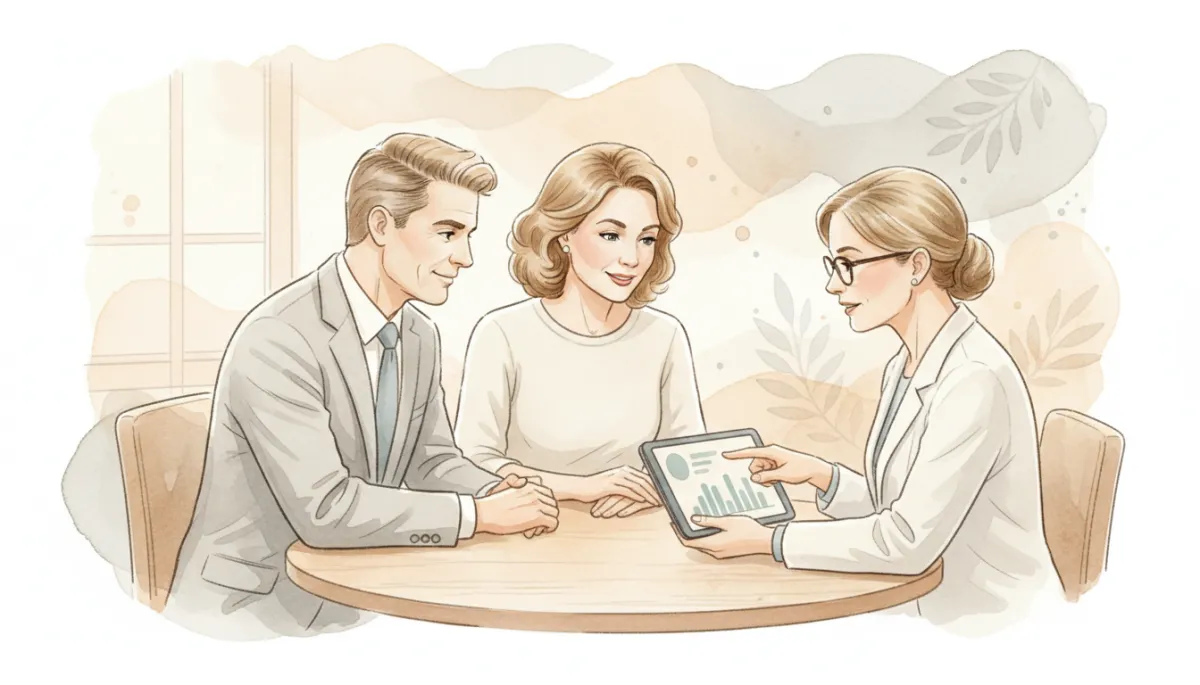
Reviewing lab work together helps align hormone therapy with each person’s goals.
Targeting Individuals: Is Hormone Replacement Right for You?
Hormone replacement therapy is highly individual. Two people of the same age can have very different hormone levels, health histories, and goals. That is why a one-size-fits-all approach does not work. Instead, a personalized plan starts with a detailed conversation and appropriate testing. Your clinician may order blood, saliva, or urine tests to assess hormone levels, and will also look at your symptoms, lifestyle, and risk factors such as personal or family history of cancer, blood clots, or heart disease.
As an individual, your role is to be open about how you feel and what you hope to improve. Are you struggling with sleep? Do you feel flat or unlike yourself? Are intimacy and sexual health concerns affecting your relationship? Clarifying your priorities helps your provider decide whether HRT, lifestyle changes, or a combination of approaches is best. For some, a short course of hormones during a difficult transition is enough; for others, longer-term therapy with regular check-ins is appropriate. The key is that treatment is tailored to you, not to a generic age group.
📌 Key Takeaway: HRT is not only about lab numbers; it is about how you function and feel in daily life.
Targeting Consumers: What to Look For in Hormone Replacement Services
As a consumer, you are likely seeing more ads and clinics offering hormone optimization, anti-aging programs, or wellness memberships. While the growing interest in hormonal health is positive, it also means you need to be a savvy shopper. Not all services are created equal, and your hormones are too important to trust to a quick online quiz and a generic prescription.
Look for qualified providers. Ideally, your care is overseen by a physician, nurse practitioner, or other licensed professional with specific training in hormone therapy and access to your full medical history.
Ask about testing and monitoring. Responsible HRT includes baseline labs, follow-up testing, and regular visits to adjust doses and monitor safety.
Understand the products used. There are differences between synthetic and bioidentical hormones, compounded and commercially manufactured products. Ask why a particular option is recommended for you.
Discuss risks and benefits openly. Every medical treatment has potential side effects. Your provider should clearly explain both the advantages and the possible risks of HRT in the context of your personal health profile.
When you evaluate hormone replacement services as a consumer, prioritize transparency, safety, and personalization over flashy marketing. A trustworthy clinic will encourage questions, provide clear information, and work collaboratively with you rather than pushing a one-size-fits-all package.
Taking the Next Step Toward Hormone Health
Hormone replacement therapy can be a powerful tool for both women and men, helping to ease symptoms, protect long-term health, and restore a sense of vitality. It is important to remember that HRT is not about turning back the clock; it is about supporting your body as it changes, so you can feel and function at your best at every stage of life. If you suspect your hormones may be out of balance, start by speaking with a qualified healthcare professional who can guide you through testing, options, and next steps. As an informed individual and consumer, you have the ability to shape a hormone health plan that truly fits you.