The Gut-Brain Connection: Impact on Mental Wellness
Health, Gut Health, Mental Wellness
The Gut–Brain Connection: How Your Digestive System Shapes Your Mind
Your moods, focus, and energy levels are not just “in your head.” They are deeply influenced by what is happening in your gut. Understanding the gut health and brain connection can help you support both your digestive system and your mental wellness in practical, everyday ways.
What Is the Gut–Brain Connection?
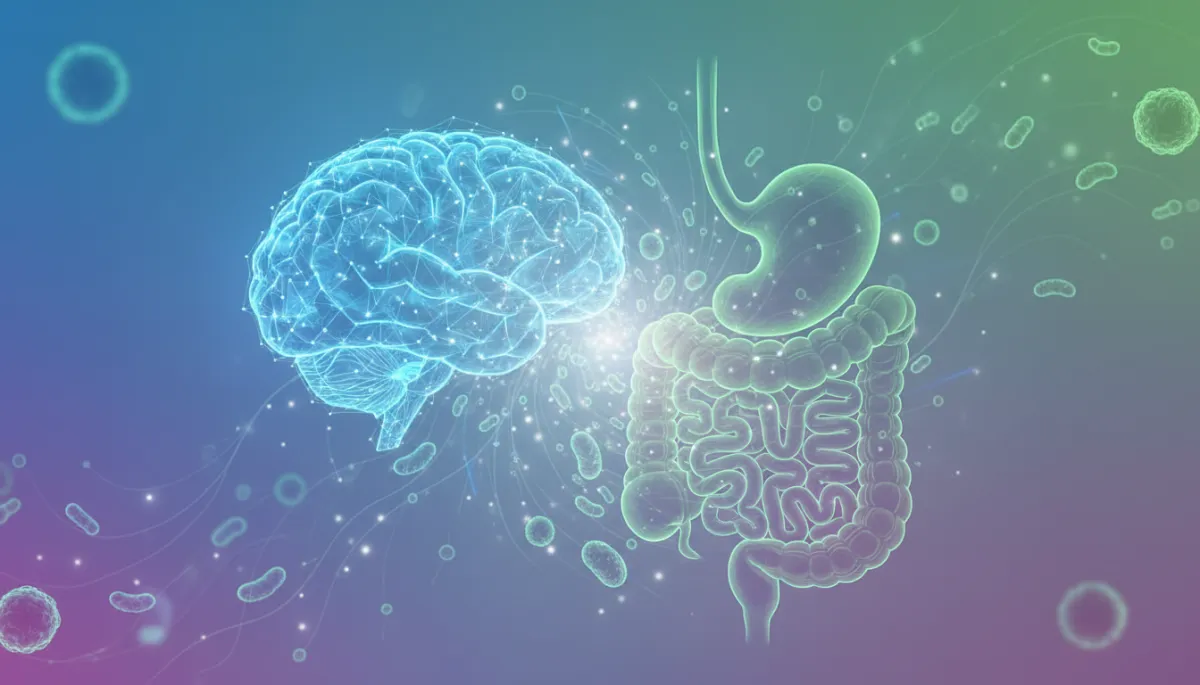
The gut–brain connection refers to the constant two-way communication between your digestive system and your brain. This network is called the gut–brain axis. It uses nerves, hormones, and chemical messengers to send signals back and forth all day long. When your gut health is off, your brain feels it. When you are stressed or anxious, your gut feels it too—often as bloating, cramps, or changes in bowel habits.
A major player in this relationship is the vagus nerve, a long nerve that runs from your brainstem down through your chest into your abdomen. It acts like a communication highway, carrying messages that influence digestion, inflammation, heart rate, and even aspects of mood and resilience to stress. This is why calming practices like deep breathing or meditation can soothe both your mind and your digestive system at the same time.
Inside Your Microbiome: Tiny Organisms, Huge Impact
Your gut is home to trillions of microorganisms—bacteria, viruses, and fungi—collectively known as the microbiome. Far from being passive passengers, these microbes actively help digest food, train your immune system, and produce important compounds that affect your brain. Research shows the microbiome impact extends to stress response, emotional balance, and even how you process fear and reward.
When your microbiome is diverse and balanced, it tends to support smoother digestion, more stable energy, and a calmer mind. When it is disrupted—by a low-fiber diet, frequent antibiotics, chronic stress, or poor sleep—it can contribute to gas, bloating, irregular bowel movements, and heightened anxiety or low mood. In other words, nurturing your microbiome is not just about avoiding digestive discomfort; it is a core part of caring for your mental wellness as well.
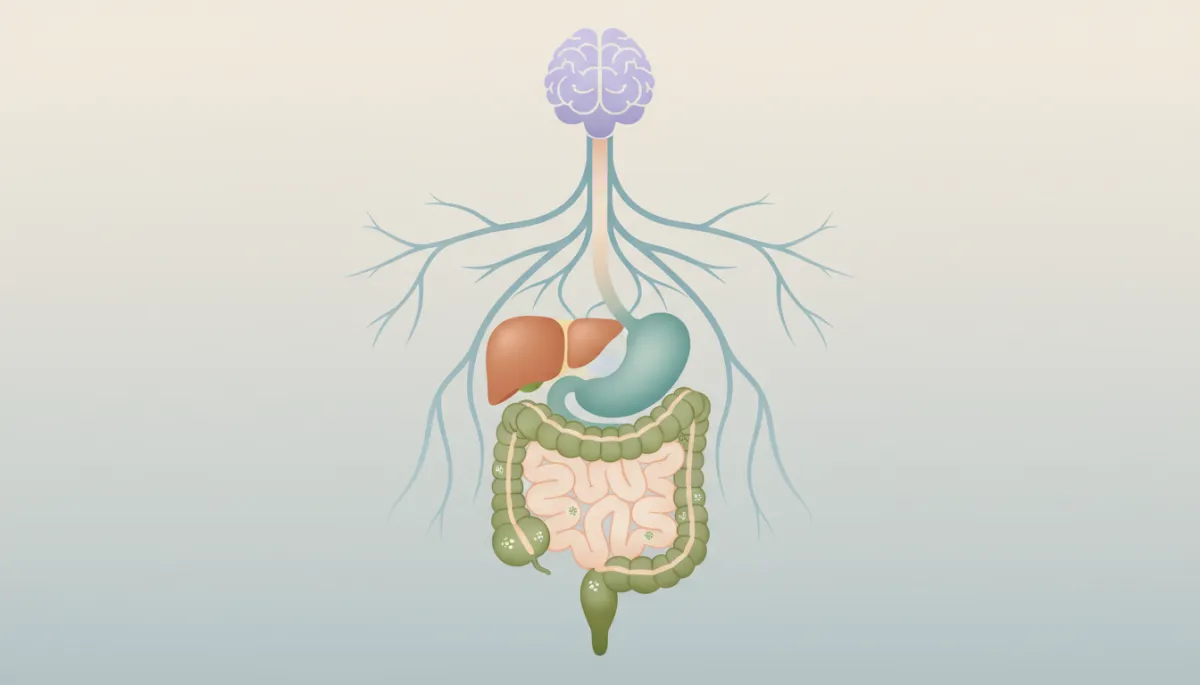
A balanced microbiome supports smoother digestion and more stable mood signals to the brain.
How Your Digestive System Talks to Your Brain
Your digestive system is sometimes called your “second brain” because it has its own network of nerves, known as the enteric nervous system. This system can operate independently, but it also constantly exchanges information with your central nervous system. Signals about fullness, discomfort, inflammation, and nutrient status all travel upwards to shape how alert, calm, or irritable you feel.
For example, if you regularly eat heavy, ultra-processed meals that your body struggles to break down, your gut may send distress signals that manifest as brain fog, fatigue, or irritability. On the other hand, nourishing meals rich in fiber, healthy fats, and colorful plants tend to support steadier blood sugar and more comfortable digestion, which can translate into clearer thinking and more stable mood throughout the day.
💡 Pro Tip: Notice how your mind feels 1–2 hours after a meal. Patterns of brain fog, tension, or calm can reveal how your gut is responding.
Neurotransmitter Effects: Why Mood Starts in the Gut
One of the most fascinating aspects of the gut health and brain connection is the role of neurotransmitters—chemical messengers that regulate mood, focus, and sleep. A large portion of the body’s serotonin, sometimes called the “feel-good” neurotransmitter, is produced in the gut. Gut bacteria also influence levels of GABA, dopamine, and other compounds that help you feel calm, motivated, and emotionally balanced.
When the microbiome is out of balance, these neurotransmitter effects can shift. You might notice more anxiety, low mood, or difficulty sleeping alongside digestive issues. While this does not mean gut health is the only factor in mental health, it is a powerful piece of the puzzle that you can influence through daily choices.
Supporting Gut Health for Better Mental Wellness
You do not need a perfect diet to support the gut–brain axis. Small, consistent changes can make a meaningful difference. Consider these microbiome-friendly habits that also support mental wellness:
Prioritize fiber-rich foods. Vegetables, fruits, beans, lentils, nuts, seeds, and whole grains feed beneficial gut bacteria and support regular bowel movements.
Include fermented foods. Yogurt with live cultures, kefir, sauerkraut, kimchi, and miso can introduce helpful microbes that enhance microbiome impact on digestion and mood.
Manage stress intentionally. Chronic stress alters gut motility and microbial balance. Practices like walking, stretching, journaling, or breathing exercises calm both your brain and digestive system.
Sleep consistently. Irregular or short sleep disrupts hormone rhythms and can upset your microbiome, which in turn affects mental wellness and cravings.
When to Seek Professional Support
If you experience ongoing digestive symptoms—such as pain, significant bloating, unexplained weight changes, or changes in bowel habits—along with persistent anxiety, low mood, or brain fog, it is important to speak with a qualified health professional. A doctor, registered dietitian, or mental-health practitioner who understands the gut–brain axis can help you explore underlying causes and create a tailored plan.
Remember that mental health conditions are complex and multifactorial. The gut–brain connection does not replace therapy, medication, or other treatments when they are needed—but it can be a powerful ally. By caring for your digestive system and microbiome, you give your brain a stronger foundation for resilience, clarity, and calm.
Bringing It All Together
The gut health and brain connection is not a wellness trend—it is a well-established biological reality. Your microbiome, digestive system, and neurotransmitter effects all work together to shape how you feel, think, and respond to daily life. By making simple, sustainable choices that support your gut—eating more fiber, managing stress, sleeping well, and paying attention to how foods make you feel—you are also investing in your mental wellness. Your gut and brain are on the same team; when you care for one, you support the other.